
ROARING FORK BROADCASTING COMPANY



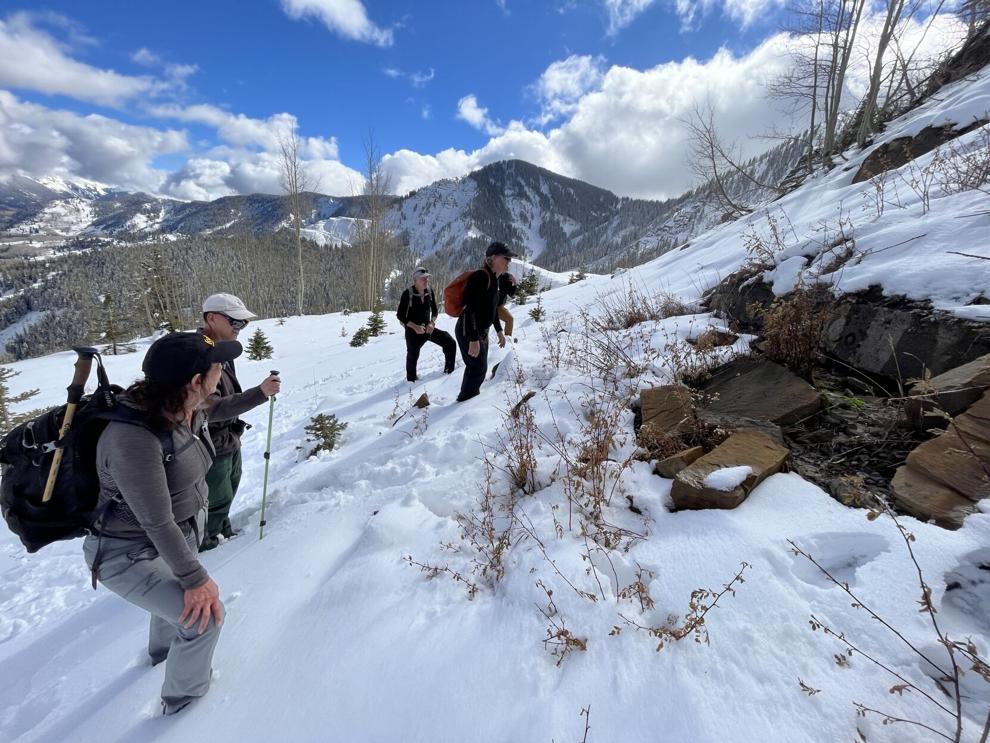
An estimated 1,950 metric tons of methane — an amount equivalent to the greenhouse gas emissions released by 36,456 gasoline-powered passenger vehicles — are escaping annually from the Coal Basin area west of Redstone, according to results of a 2023 study.
That’s equal to 33% of all other greenhouse gas emissions combined in Pitkin County, according to the Community Office for Resource Efficiency. CORE has been working with Delta Brick & Climate Co. since 2021 to gain more understanding of methane emissions escaping from the mines at Coal Basin and explore solutions for how to tackle this challenge.
In 2023, CORE and Delta Brick took samples of methane releases from various sites through 5 square miles of Coal Basin, a former coal mining area. Methane is naturally released from outcroppings and seams in the earth, but it is “substantially more intense” from old coal mines and prospect holes that proliferate across Coal Basin.
“You rip a huge hole in the mountain and it comes out faster,” said Chris Caskey, founder of Delta Brick & Climate Co.
The coal mines are abandoned. Mid-Continent Resources mined the area from 1956 to 1991. Methane is the legacy. It is an odorless, colorless and potent greenhouse gas.
CORE will hold a meeting at the Basalt Regional Library from 6-8 p.m. Tuesday, March 26, to dig deeper into the findings from 2023. A second meeting will be held at the Church in Redstone from 6-8 p.m. Thursday, April 4.
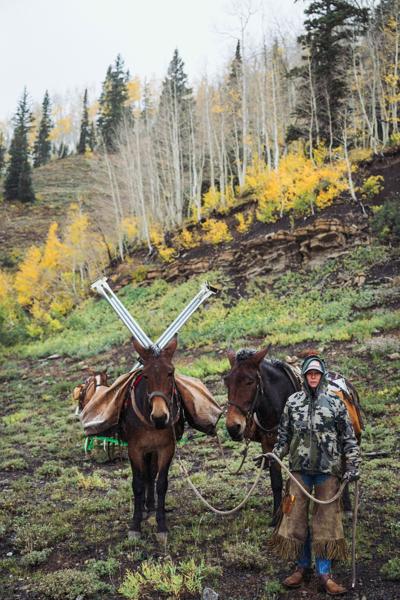
“We’re hoping to get good representation from Restone because it’s right in their backyard,” said Jami McMannes, communications and engagement manager for CORE.
Both meetings are free and open to the public but reservations are requested at https://www.aspencore.org/coal-basin-methane-project. The sessions will include a question-and-answer opportunity.
The public input will help CORE and Delta craft a proposal for mitigating the methane. An application will be submitted to the U.S. Forest Service in the “next month of two,” Caskey said. “We really want something that is supported by the community.”
The Forest Service will conduct an environmental review of whatever proposal is forwarded. It’s unknown at this point whether it would be an environmental assessment or a more detailed environmental impact statement. All of the Coal Basin lands being assessed for methane are in the White River National Forest.
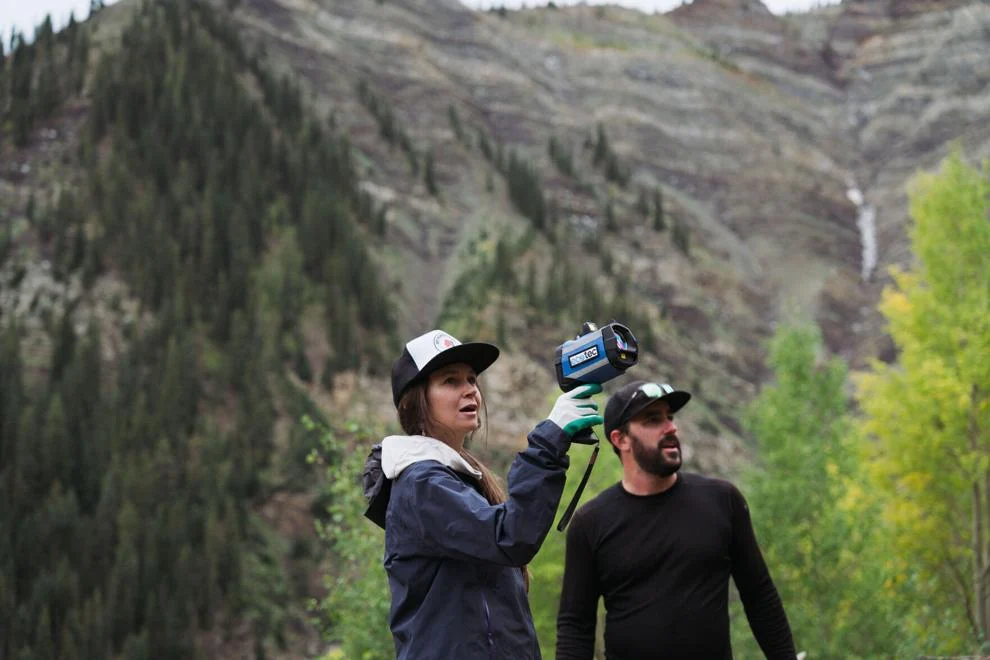
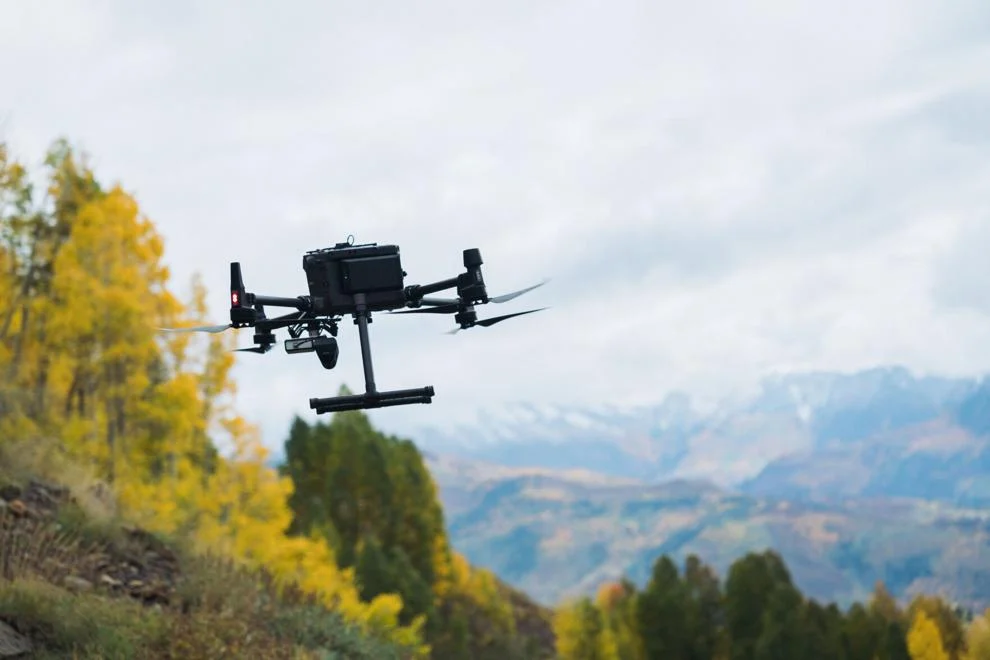
Delta Brick collected samples in numerous ways or, as Caskey put it, used multiple techniques for “basically sniffing the methane.” A company was hired to fly an airplane at various elevations above the basin to collect methane readings in the air. Drones were used for a similar purpose. Equipment to read the methane emissions were placed at eight sites within the vast area and staff plus volunteers hiked to another 20 sites to get readings with handheld sensors.
The field season was from June to October since snow lingers in the spring and comes early in fall to the high elevations of Coal Basin. Methane is leaking from an unknown number of sources, Caskey said.
“We found three or four big leaks, depending on how you define big,” he said.
In its most recent newsletter, CORE poses the question, “What’s the Big Deal?” regarding the methane leaks.
“Methane contributes to more than 25% of current global warming,” the newsletter said. “Along with other greenhouse gas emissions, its presence in the atmosphere is escalating temperatures, triggering severe and erratic weather patterns. This results in prolonged droughts, rapid wildfires, glacial melt, rising sea levels, and more, reshaping our environment and jeopardizing our future.”
The Pitkin County commissioners are among groups enthusiastically behind the effort to cut methane emissions. Officials have said they hope the effort in Coal Basin is replicable for other areas.
CORE received $1.2 million in funding in 2021 from the U.S. Department of Energy to proceed with research in Coal Basin. Delta Brick was hired to coordinate the research and data collection.
CORE has touted the destruction of methane in Coal Basin as something that is possible while preserving the stunning scenery and wildlife habitat. That’s an aspect of the project that will be covered at the community meetings.