Along the Colorado River: ‘We are growing’
Aspen Daily News
Paul Andersen, Aspen Journalism
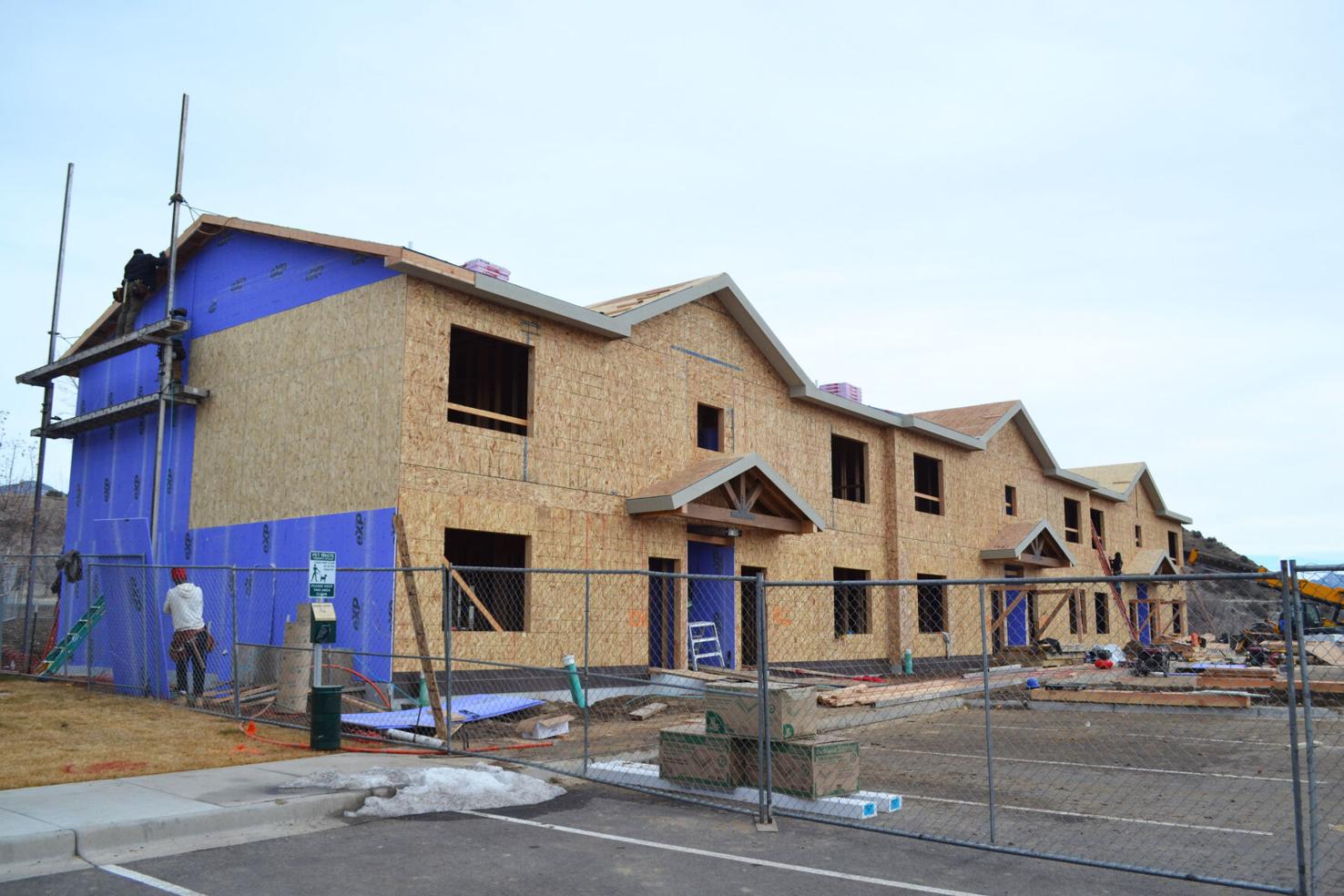
Wapiti Commons is a Habitat for Humanity housing project in Rifle. Habitat is also working on building a production/construction warehouse on land owned by the city of Rifle. The warehouse will be leased at a nominal amount for 50-plus years to bring jobs, training and the construction of the Habitat homes to the Western Slope. Paul Andersen/Aspen Journalism
Editor’s note: This is the second part of the latest installment of Aspen Journalism's "In search of community series" — a continuation of the March 24 story looking at municipalities along the Colorado River.
The Denver & Rio Grande Western Railroad laid tracks along the Colorado River to Silt in 1889. Railroad builders named the location “Silt” because of the makeup of the soil. Soon, one- and two-story buildings lined the main street for six blocks, from the railroad depot to Cozza Gulch. In Silt’s early days, there were pool halls, clothing stores, a theater and a dance hall.

In 1881, not long after the Utes had been ordered out of Colorado by Gov. Frederick Pitkin, John Harvey filed a claim on land nestled against the Grand Hogback, a prominent topographical feature of connected hills that form a straight line from Meeker to McClure Pass. Hog Back Pass became Harvey Gap, where a coal mine was later developed. This region was also known as “Old Squaw’s Camp” for an elderly Ute woman who presided over a gathering place for Utes where horses were kept, plus a herd of 50 to 75 cattle.
Silt became a farming and ranching community that incorporated in 1915, seven years after the Silt Bridge was built across the Colorado River to accommodate the homesteaders who lived up Divide Creek to the south.
Silt has a population of 3,600, according to Jeff Layman, Silt’s town administrator at the time of this interview. He recently retired and is now working for the town on certain projects.
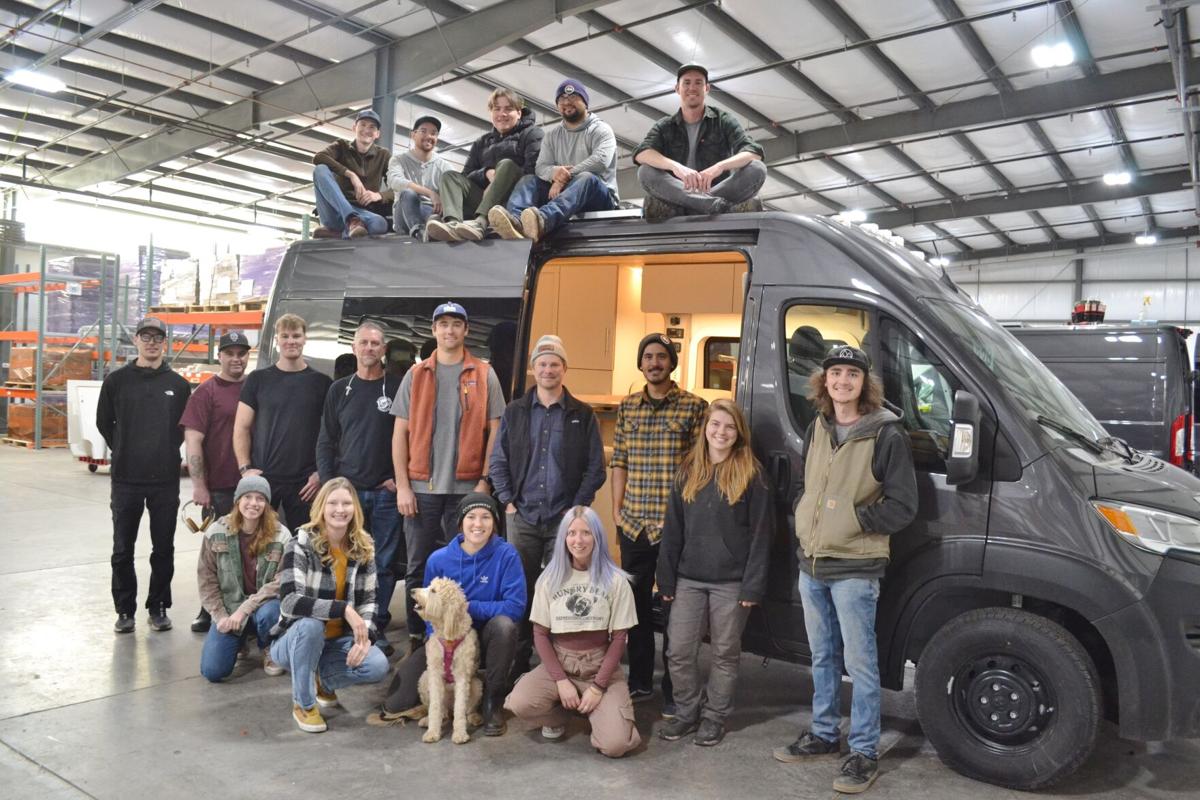
This handpicked production team of 22 at DM Vans near Rifle staffs its expansive facility. Paul Andersen/Aspen Journalism
“We don’t have a lot of employment opportunities in Silt yet, so 90% to 95% of Silt residents go somewhere else to work, mostly tradesmen and hospitality workers who commute,” Layman said. “They are willing to put up with that because of the paycheck. That drive is part of the bargain. I commute just three blocks to my office, and I feel for those people who have to make that drive and don’t like it.”
Born in Kansas, Layman moved to Silt in 2018 after spending 37 years in Eagle Valley, where he worked 30 years in law enforcement. He served as police chief in Avon for seven years and as Eagle County undersheriff for five. With a master’s degree in public administration, Layman was hired as Silt’s town administrator, where he found a perfect fit.
“Silt is affordable, and it’s got a really nice small town vibe,” said Layman, pointing out that Silt is the smallest town of the three along the Colorado River Valley. (According to Aspen Board of Realtors reports, the median sale price for a single-family home in Silt reached $540,000 in 2023.) “Silt attracts people who want a two-block main street, don’t need all the bells and whistles, and who don’t mind stopping at City Market on their way home because there’s no grocery store here. Silt is for people who like a little more relaxed pace of life and a place where you can walk downtown and see your neighbors, stand around in the middle of Main Street and hobnob, listen to music, watch fireworks, and have your kids sit on Santa’s lap. It feels like western Colorado.”
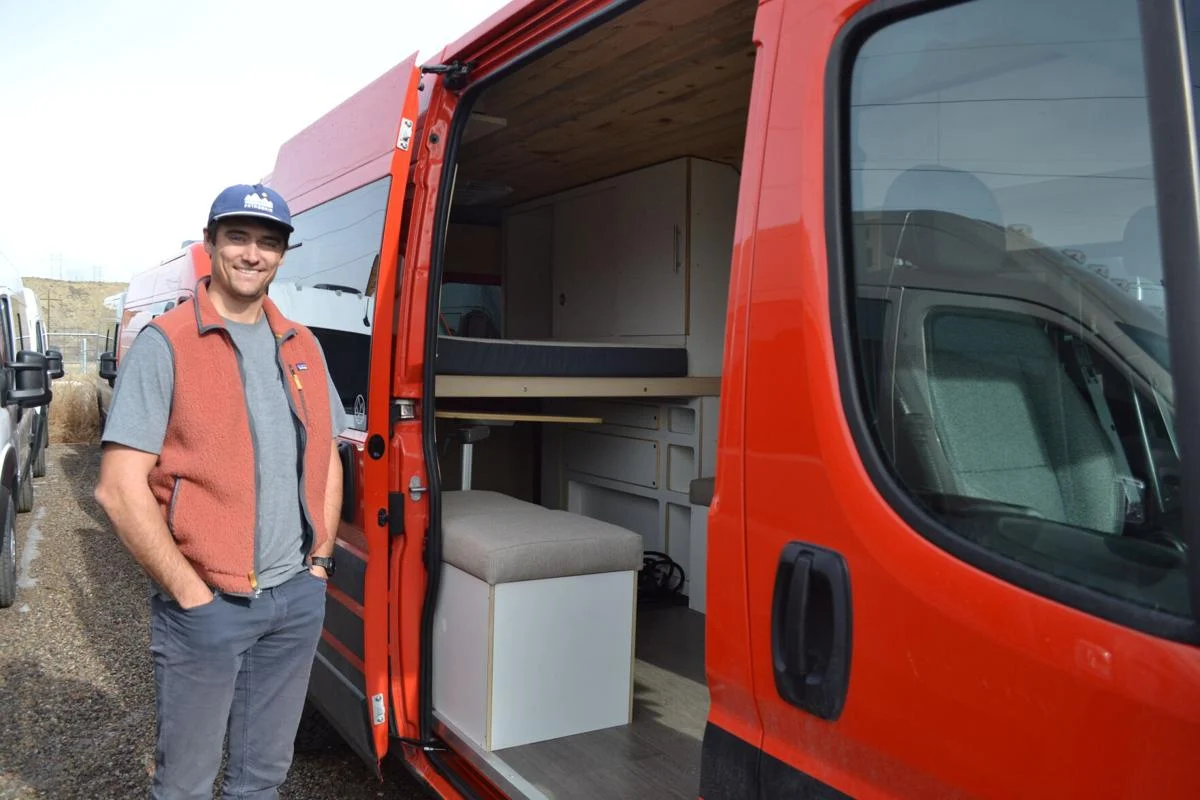
Arran Shrosbree, head of manufacturing for DM Vans, displays one of over 50 “lifestyle vans” at the company’s state-of-the-art production and manufacturing center near Rifle. Paul Andersen/Aspen Journalism
Layman allowed that the river communities have moved away from “a history of parochialism” thanks to a new generation of municipal managers who have cemented collaborative relationships. “Over the last five years,” said Layman, “we have made a real effort to compare notes, get in touch, and encourage our boards to meet their counterparts and talk about regional issues.”
For example, Layman noted a collaborative rapport between Silt and the city of Glenwood Springs, which is crucial since Silt depends on the Colorado River as its municipal water source. During fires, mudslides and floods, Silt relies on good relations upstream with Glenwood Springs to protect its water quality.
“Our challenges are like everywhere else,” said Layman, adding that housing is a key issue. The town has 96 apartment units under construction, with 70 more units of single-family housing and 104 more units on the drawing board. The town has an opportunity to build an events center on the Colorado River.
“We have a lot of great opportunities going,” said Layman, “and we’d like to offer regional employment that will allow people to work in a meaningful job closer to home where they don’t have to make that commute. That’s our big challenge. But housing in Silt is getting more expensive now, so our board is working on addressing affordable housing before it becomes as acute as it is in the Roaring Fork Valley.”
Layman’s 37 years of experience in the Eagle Valley makes him well suited to his administrative role in Silt. “I’ve seen growth, and I’ve lived it,” said Layman, “so it’s pretty easy for me to see the same kinds of challenges that are starting to show up in the Colorado River Valley. I’ve really become attached here to a place and a people who have made an impact on my life. I love the people I work with, and it’s just a wonderful place.”
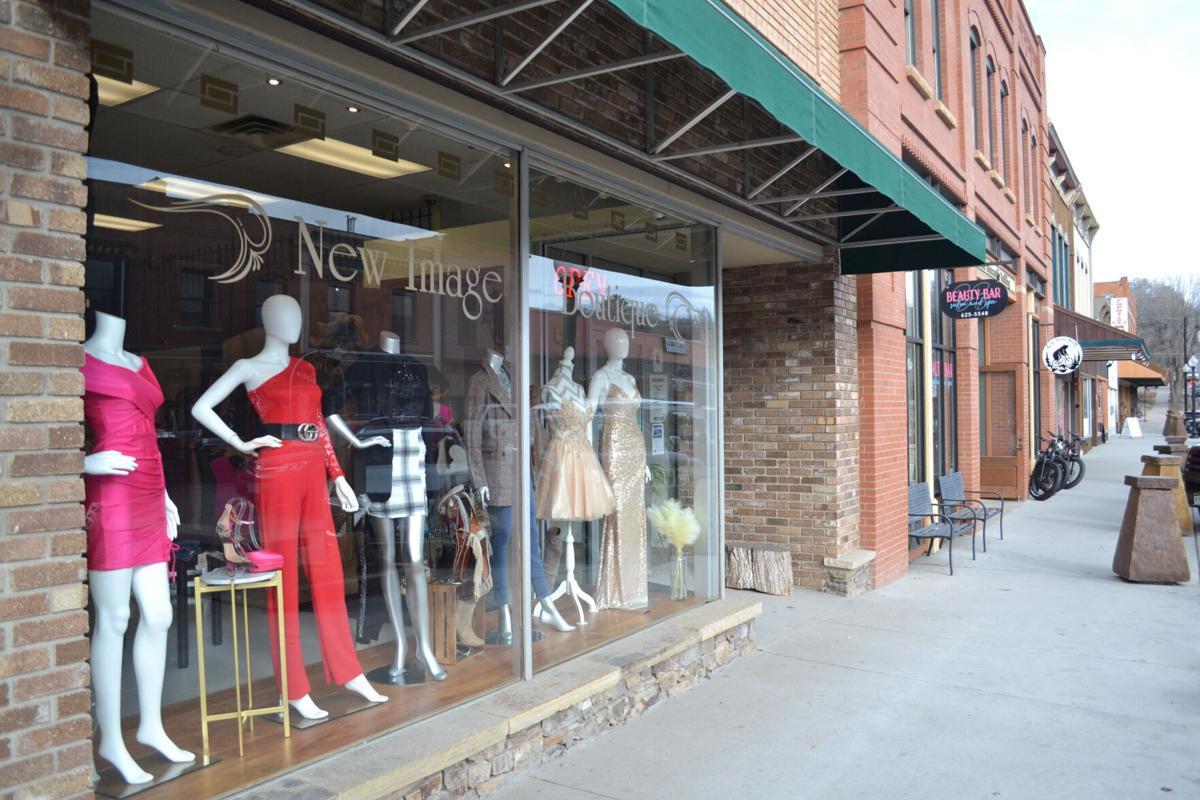
Downtown Rifle has a growing commercial energy. Paul Andersen/Aspen Journalismer
Dave and Matt’s big adventure
On the 7-mile drive from Silt to Rifle, the largest municipality in Garfield County, my guide for the day Alicia Gresley steered us to a small industrial park where a manufacturing dynamo is changing the complexion of the region. A vast parking lot is filled, bumper to bumper, with 80-plus camper vans, specifically, a fleet of Dodge Ram ProMasters being outfitted with state-of-the-art camper technology.
“It started off with two guys building vans — Dave and Matt, friends from college,” said Arran Shrosbree, head of manufacturing for Dave and Matt Vans, or DM Vans, as the logo has it. “They came to vans from looking for an affordable place to live and a great way to access the outdoors. The timing was fortuitous with the pandemic, when the van life just took off.”
The company started in Gypsum five years ago and, because rural Garfield County is more affordable, moved the manufacturing branch to Rifle in 2022, followed by the administrative side in 2023.
“We looked countrywide and settled on staying in Colorado,” said Shrosbree, a transplanted Brit with a high-tech background, “because a lot of our team is from here, we’re local, and we appreciate everything that Colorado offers and wanted to stay very grounded to that. We are all avid skiers, bikers, climbers and hikers.”
DM Vans began with custom build-outs on whatever vans customers brought in. “We then partnered with local dealerships,” said Shrosbree, “like Berthoud in Glenwood to get our hands on the chassis and control the whole build.”
In 2023, the highly skilled and selected 22 employees at DM Vans built 157 units with state-of-the-art cabinetry via computer cutting and milling, and expert finishing and assembly. The company sold about 130 units last year and earned $14 million. There are 511 DM vans on the road today, marketed as an alternative to buying a home and as offering rugged mobility with total comfort.
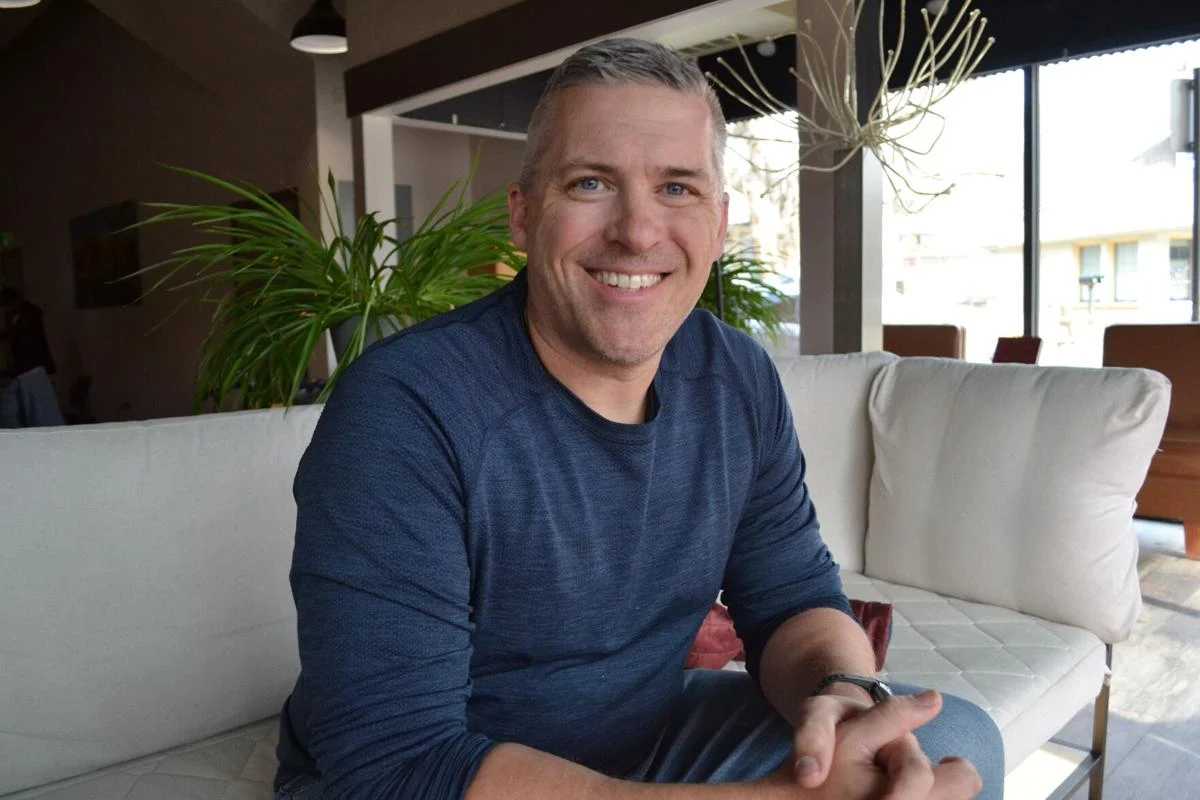
Sean Strode is the mayor of Rifle and is serving his second term. Paul Andersen/Aspen Journalism
“Our take on the RV space is that we are creating a tool for people to improve their lives,” said Shrosbree. “The vans are perfect for travel nurses, yoga wellness teachers, ski instructors and those who choose vans as affordable housing. We want our product to be as reliable, efficient and as intentional as possible. We call our vans ‘LVs,’ or lifestyle vehicles, because we believe they are tools to improve your lifestyle.”
“We’re creating a Swiss Army knife of a vehicle,” said Joe Smith, DM Vans’ youthful president, who came to DM Vans with a wealth of retail and managerial experience, “because our vans have innumerable uses and are significantly less expensive than a house. We’re young, and we have an extremely powerful team because we hire on values-fits. You have to find the right people and know what you’re looking for. Making the leap to Rifle is our next iteration of business.”
“We all share core values,” said Shrosbree. “We’re all driven to achieve excellence. We’re all transparent with each other. We work together intentionally, not playing any games. We’re all just looking to get to the best answer, and that makes for a pretty harmonious workspace. It’s not all sunshine and rainbows, and I’m not painting it as a utopia, because we don’t want to rule out friction. In challenging each other is where you find the genius.”
DM vans are now sold nationwide, not only direct to consumers, but through dealership partners on both coasts. The company is planning to release custom Ford Transit vans beginning in 2026, and that design process is where the team’s melting pot of ideas comes together, said Shrosbree.
The DM Vans workforce lives in New Castle, Rifle, Grand Junction and elsewhere. In fact, as testament to the van life, 14 of the 22 employees live full time in their vans either on-site, on nearby Bureau of Land Management property and, on weekends, in Moab and beyond. Equipped with solar panels and super-efficient, gas-powered heating, DM vans define a new level of off-grid mobile living.
“I have lived in my van for one year,” said Smith, “and it works for me because I like to live somewhat simply. And rents are insane because, basically, you’re paying for someone else’s mortgage. Moving to Rifle, we have created our own small community, and as we plant our roots, we want to expand that. We’re getting to know other businesses and more people here, and we’re passionate about community.”
Driving a short distance farther west on rural Highway 6, Gresley listed a handful of other business ventures that are taking root here: EcoDwelling is an ecologically attuned modular home manufacturer. Natural Soda is one of the largest producers of sodium bicarbonate in North America. “What I love about this,” said Gresley, “is that it’s about the past, present and future coming together and driving us forward as a sustainable community.”
In Rifle, Gresley introduced me to Mayor Sean Strode over lunch at the Whistle Pig, an eatery on the town’s attractive Western-themed Main Street.
Sighting in on Rifle
Rifle is laid out on a grid of streets in a valley surrounded by mesas and mountains. Rifle, the largest municipality in Garfield County, with a population of 10,600, is 40% Latino, making it the region’s most ethnically diverse community. According to Strode, the city is energized by an emerging entrepreneurial spirit born, in large part, out of its Latino culture.
Strode represents a new generation of leadership in this historical farming and ranching community, founded in 1882 and incorporated in 1905. President Teddy Roosevelt came hunting here in 1901, lending a sportsman’s character to the region.
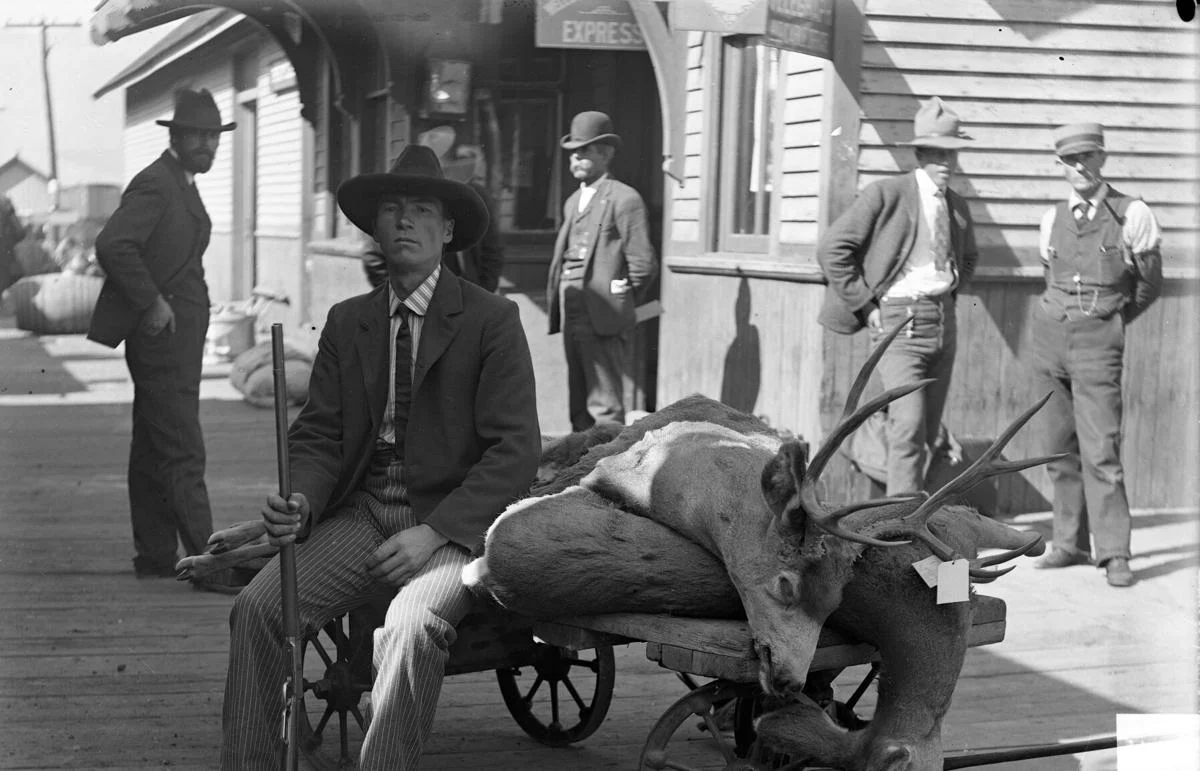
Hunting has always been a major part of Rifle’s economy. A hunter with his bucks on the platform of the Rifle Depot is pictured, circa 1910. Courtesy of the Rifle Heritage Center/Garrison Collection
There are three theories from the 1880s regarding the town’s unique name, two of which relate tales of absent-minded pioneers leaving their rifles leaning against a tree. Another legend claims that the town was named for the frontier custom of firing one’s rifle to signal an approach.
In 1882, Abram W. Maxfield was the first man to travel west of Glenwood Springs with a wagon, having to take it apart to pack it around cliffs and ledges and then put it back together. He was the first known Anglo settler in Rifle. Farming and ranching were the original industries in the area, and Rifle became a trade center when the railroad came through in 1899.
Rifle’s economy fluctuated with dependence on historic coal mining. The most profound resource development took place in the early 1980s with the promise of massive oil shale extraction that was to convert western Garfield County into a global energy producer. Workers had come from all over the world to profit from oil shale, and Rifle’s population doubled with a nearly overnight boom, jumping to about 4,500 from 2,700.
All that vanished on Black Sunday, May 2, 1982, the day Exxon, the Colony oil shale developer, quit the project, locked the gates, and left more than 2,000 people suddenly unemployed. Workers fled in droves. It was said that the only local business still viable was U-Haul rentals. The economic collapse was felt countywide.
Despite the devastating impacts of the 1982 crash, Colorado River communities had benefited during the buildup as oil companies invested millions of dollars in infrastructure improvements. The region began rebounding financially after a 3/4-cent sales tax passed in 1996. Today, local governments along the Colorado River are wary of monolithic enterprises that could wreak similar boom-bust havoc, a traditional liability of the extractive industries.
Rifle’s culture fosters a growing arts community, with performances at the renovated historic Ute Theater and with decorative murals and other visual arts. A historic modern art sensation focused the world’s attention on Rifle from 1970 to 1972, when big-wrap artist Christo and his wife, Jeanne-Claude, chose canyon that Rifle Creek carved in the Grand Hogback as the site of a unique and elaborate display known as Christo’s Valley Curtain.
Christo’s curtain fabric was a parachutelike material of 250,000 square feet that weighed 6 tons. It rose above the valley floor suspended 350 feet at the ends on steel cables. The sagging center had an archway at the bottom to permit traffic on Highway 325. Anchors weighed 70 tons, and the fabric was fastened by 59 stressed steel rods that went 40 feet into the sandstone canyon walls.
Construction started in 1970 at a cost of $250,000 with teams of engineers, site supervisors, 35 construction workers and 64 temporary staff made up of college students and itinerant art workers. The first attempt to raise the curtain failed as wind blew it down. The second attempt, in August 1972, was successful, until wind blew it down the next day. The final cost was more than $600,000, and the only evidence is photographic.
Rifle’s economy today is diversified with agriculture, oil and gas and tourism. Rifle Falls State Park is a popular destination 14 miles north of Rifle. The falls spill over a limestone cliff where, in 1910, the town of Rifle built the Rifle Hydroelectric Plant. Rifle has gained an international reputation, drawing world-class climbers to crags at Rifle Mountain Park, touted as the best limestone sport climbing in North America. Mountain biking has also taken off, thanks to the Rifle Area Mountain Bike Organization, which was started in 2012 as a trail-advocacy program that now boasts many miles of single track for all levels and ages with trailhead parking a few miles north of town along the Grand Hogback. In the valley, more than 20 miles of bike and pedestrian trails crisscross the city.
Strode, founding director of RAMBO, moved here in 2012 with a musical background that includes a bachelor’s degree from the Berklee College of Music in Boston, where he studied guitar, and a master’s degree in jazz from Northwestern University. Originally from Wisconsin, Strode was a member of the music faculty at the University of Texas-San Antonio and also at the University of Colorado-Boulder, where he met his future wife.
“My wife is from Rifle,” said Strode, “so we came up to visit, and I fell in love. We moved here and never looked back. When I got here, I started learning about community — that you can volunteer time and become part of something. I realized you can make a difference in a small town.”
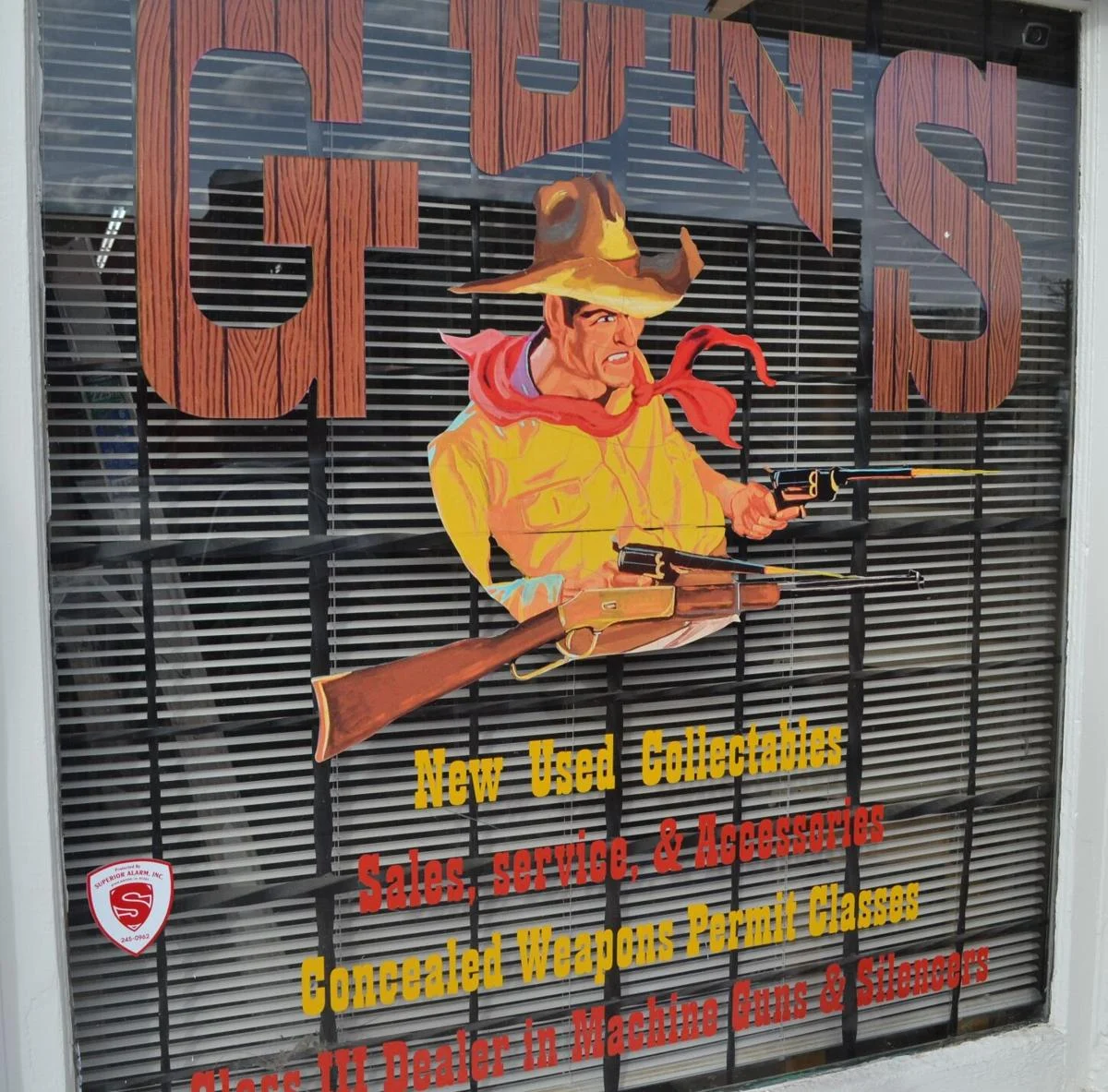
The traditional character of Rifle — named from an historic anecdote of a settler forgetting his rifle where he leaned it against a tree — still retains its namesake atmosphere. Paul Andersen/Aspen Journalism
Strode first volunteered on the Rifle Planning and Zoning Commission for four years, then was elected to the city council, where he served for six years. He was elected mayor in 2021 and reelected to a second term in November 2023. Multiple roles have given Strode an intimate understanding of Rifle.
“For a long time, Rifle was a gas and oil bedroom community,” he said. “Now, friends say, ‘I own a house here, but I live in Aspen,’ because they drive up there and spend all their time there. Progressively, this has become more and more of a community by creating a sense of place through events like town holidays. We are making downtown a place where people want to be.”
Strode said the Rifle economy is based on “hardworking people” who display a drive for entrepreneurship, such as opening a restaurant, a painting business or a construction company. The median age is 31, and 51% of the population is female. “People here want to pursue their own passion and independence,” said Strode. “The trades are very big here, and we have a very successful hospital, movie theaters, a vibrant airport and county administrative buildings. All of it is making us less dependent on other economies.”
Still, Strode advocates for regionalism by joining with economic partners to coordinate on challenges from Aspen to Parachute. “The issues we’re encountering are not per town. They are per region,” said Strode, “There is strength in teamwork, so I work hand in hand with the mayor of Glenwood and the mayor of Carbondale. We take a lot of pride in our town, but what we’re doing is looking at the bigger picture.”
Patrick Waller, Rifle’s director of planning, said, “We’ve always been connected regionally because of jobs. We get more and more folks coming here and chatting about economic opportunities. Folks who need larger facilities find it very expensive upvalley, and anything that can locate a business here is a benefit to our region. Rifle is very careful about growth because the oil-and-gas bust still resonates here. It devastated the local economy.”
Major employers in Rifle today are the hospital, Walmart and Colorado Mountain College. A regional airport boosts Rifle’s connectivity far beyond its boundaries.
Top among growth concerns, said Strode, is affordable, attainable housing. “That’s an issue everywhere. We’re partnering with Habitat for Humanity for income-based housing units expected to start this year.”
“We are growing,” said Strode, “and I want to be conscious of that and grow smartly, intelligently — honoring our history while moving forward. We are working with Garfield Clean Energy, and we’re energy net-zero, or close to it, with solar on all of our government facilities.” Strode added that making fiber internet available to people who own and run businesses is a pressing goal for the future.
Waller said Rifle’s planning department identifies tiers of development in areas already connected with water and sanitation, ideally within city boundaries served by adequate roads. “We want to avoid sprawl, which doesn’t make sense fiscally,” Waller said. “Rifle is set up well for the future. We have water rights annexed in from new development, and our current Tier 1 sites can accommodate 5,000 new residents, for a population of 15,000. Houses here are reaching $500,000, which you would not have thought of even five or six years ago.”
Politically, Strode celebrates community diversity. “Rifle is a great city,” he said. “We have strong, differing views on council, but we’re all able to come together, amicably, state our positions, democratically take a vote, and move on. There is no animosity, and I think that’s representative of our community. I’m constantly impressed.”
Waller, who grew up in Glenwood Springs, brings to his role community-planning experience in Pitkin and Garfield counties. “Rifle is a cohesive community,” he said, “with people who serve on committees and work together. We certainly have economic disparity here, but it’s not billionaires versus affordable-housing folks. Second homes are not an issue; we don’t have that here, and there are only eight listings for Airbnb. You go by the pool in summer and it’s exploding with kids. Rifle reminds me of a small town because it doesn’t have the tourism these other towns have. Walking around town, folks flag me down and talk. And it’s really cool in that way.”
“Community is what supports you,” said Strode. “Community is what makes your life good, whether it’s people building trails or businesses supporting one another. Community is about support, camaraderie and acceptance. It is why we live where we live. As the largest municipality in Garfield County, we think a rising tide lifts all boats, and that’s good for Rifle and our neighbors. If there is something we can do to help support Silt or Parachute or wherever, that makes our region better and makes Rifle better.”
Paul Andersen has been living in the Roaring Fork Valley for 40 years and has worked as a reporter, editor and columnist. He has authored 15 books about the region. His "In Search of Community" series for Aspen Journalism, also published in the Aspen Daily News, began in December. Read all the articles and more at aspenjournalism.org.
This story is provided by Aspen Journalism, a nonprofit, investigative news organization founded in 2011.
Courtesy of the Aspen Daily News