
ROARING FORK BROADCASTING COMPANY



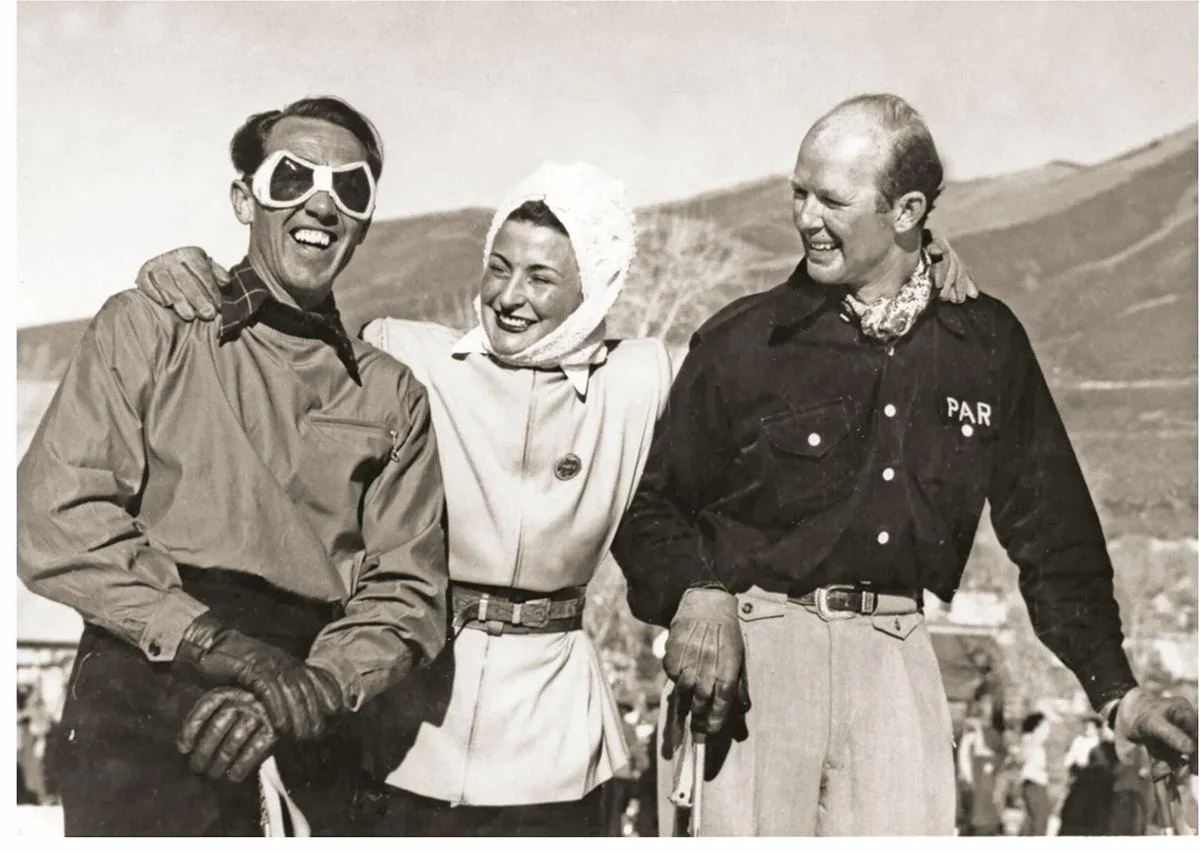
When Friedl Pfeifer returned to Aspen in 1943 after World War II, he had empty pockets, a heart full of dreams, and a vision centered around skiing. “Aspen became an addiction,” wrote Pfeifer, a 10th Mountain Division veteran. “It was the only addiction I ever had other than skiing itself.”
He had big plans to transform the decrepit old mining town into a bona fide ski town, like St. Anton, Austria, from which he had originally hailed. Skiing would be the epicenter of life in Aspen as it had been in Austria, a village erected on snow and easily accessed from the slopes on skis.
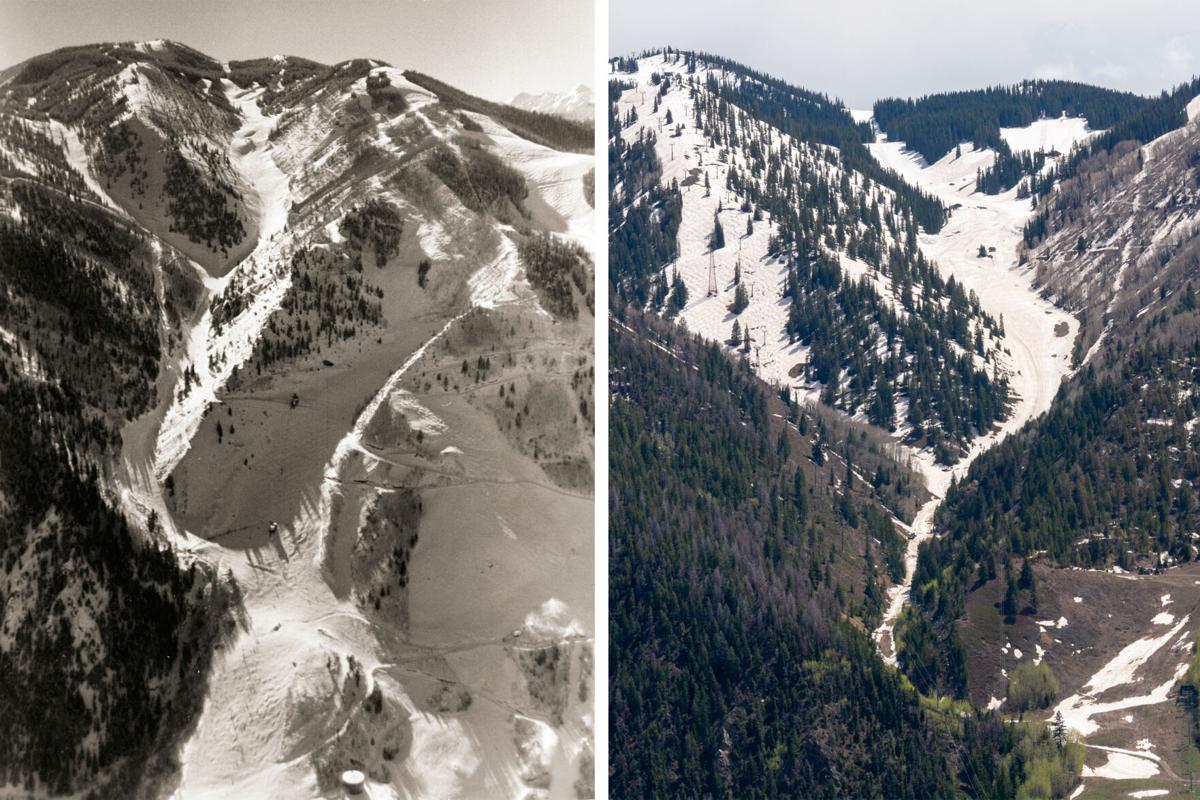
That vision was extinguished when Walter Paepcke, Aspen’s original outside developer, arrived from Chicago in 1945 and quickly snatched up the bulk of the real estate in the downtown core. “Aspen could have been magnificent. Instead of solid block upon block of buildings, there could have been a snow plaza running from the bottom of the mountain to the door of the Jerome, lined with small first-class hotels, terraced cafes, and restaurants,” Pfeifer wrote. “Aspen failed to preserve the kind of attractive town center that make the Alps so special, instead paving the way for soulless future development that would forever separate the town from the mountain. I saw it coming. It made me sad.”
Aspen’s history, as told by Pfeifer in the posthumous publication of “Why Aspen” based on the unabridged interview he gave in 1984, is even more relevant today. That’s one of the reasons Pfeifer’s family, several of whom still live in the Roaring Fork Valley, decided to self-publish the unabridged transcript in January 2024. (Some parts of the book were originally published as “Nice Goin: My Life on Skis” edited by Mort Lund in 1993).
“Why Aspen,” a 300-page hardcover legacy publication featuring historical photos from Aspen Historical Society archives, is especially significant in the context of the myriad challenges the town faces today: the threat of outside developers selling Aspen’s soul to the highest bidder, the corporatization and consolidation of the ski area industry, and the high costs for housing and lift tickets.
“Why Aspen” also sheds light on Pfeifer’s relationship with Walter Paepcke. “Much has been written about Paepcke and his history in Aspen, but little is known about my personal relationship with the man and how that would ultimately affect Aspen’s future,” Pfeifer wrote. “Paepcke and I came from completely different worlds.”
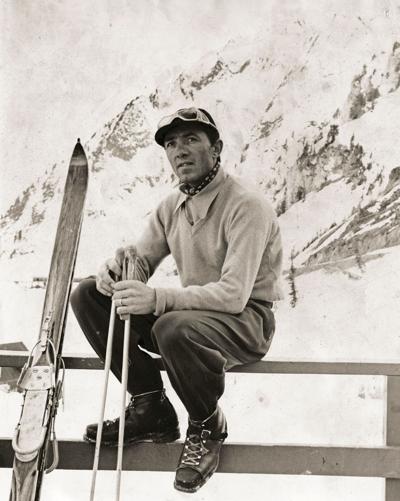
Pfeifer’s life, in many ways, mirrors the evolution of the sport of skiing itself. He recounts his upbringing in St Anton, Austria, where he grew up in the early 1900s in the shadows of the Alps with his parents and 12 siblings: a place where skiing was an integral part of life.
He became a ski instructor by age 14, under the tutelage of his mentor Hannes Schneider, who created The Arlberg Method, a teaching progression that is still the foundation for ski instruction to this day. Pfeifer then became a Skiberführer, or certified Austrian ski guide in 1933 at 22, leading tours on the high alpine above the Galzig.
“To climb the Galzig and enjoy your packed lunch scanning the peaks of the Arlberg, that was happiness,” he wrote. “When the lift went in, that took away the feeling of accomplishment, and nothing to bring it back.”
Pfeifer went on to become an accomplished ski racer and Austrian National Champion, and at the peak of his career he was among the top ski racers in the world. Pfeifer fled when Hitler invaded Austria during the Anschluss and escaped across the border into Italy. He then sailed around the world, spent a summer skiing in Australia, before landing in America in the fall of 1938.
Pfeifer’s foray into American skiing began in New York City, where he met and befriended Averell Herriman, the son of the founder and chairman of the board of the Union Pacific Railroad. Herriman had purchased the 3,900-acre Brass Ranch that would become Sun Valley for $39,000. He invited Pfeifer to run its ski school and eventually, to design the trails and lifts on Mt. Baldy, where Pfeifer honed his skills as a ski-area developer. Pfeifer would skin and ski every inch of the mountain he could, learning its geography intimately.
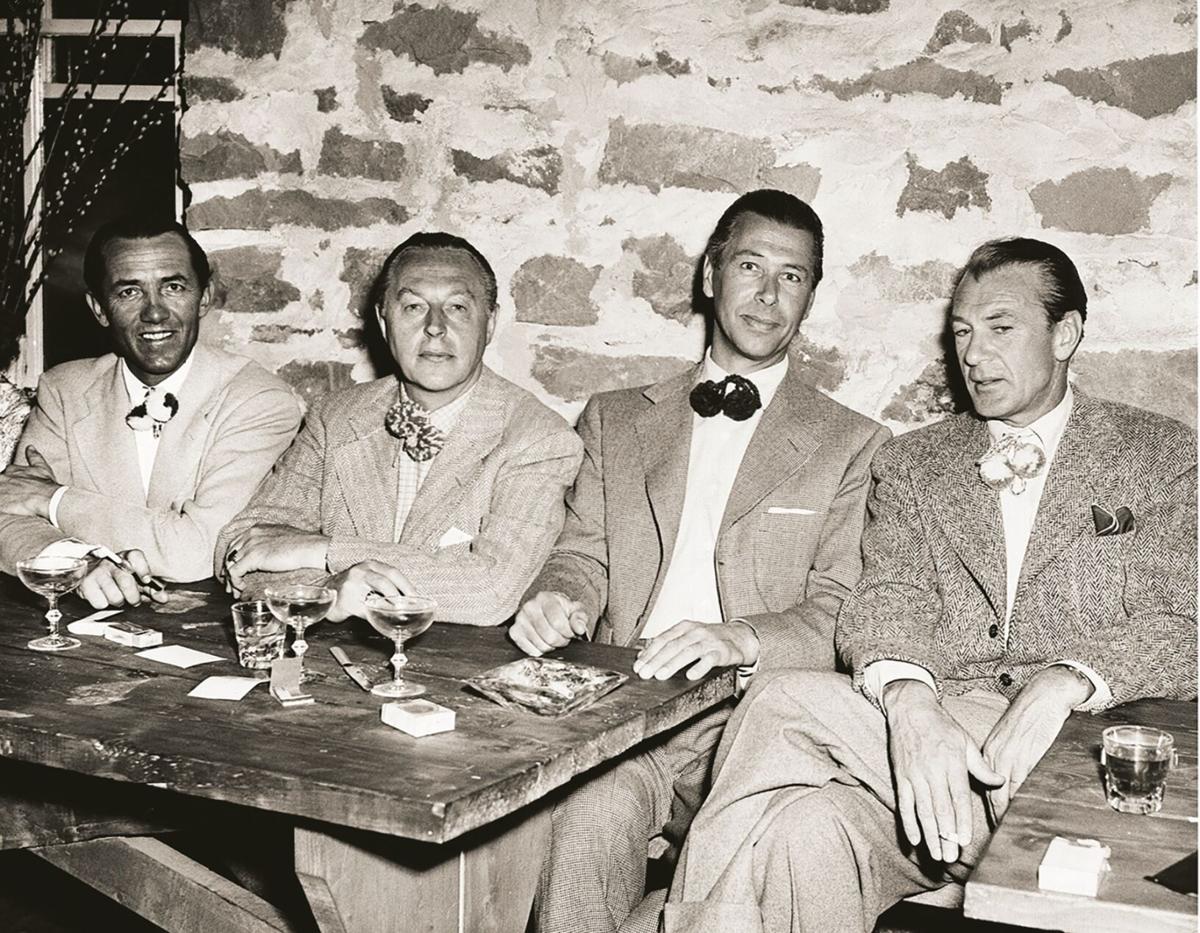
Pfeifer also founded and developed the Sun Valley Ski School and introduced the discipline, professionalism and technical progression of The Arlberg Method to America. His work in pioneering Sun Valley’s trail layout, lift system and ski school would come to define a world-class ski resort and lay the groundwork for Aspen. From early on, Pfeifer was part of a cadre of ski instructors who developed close relationships with celebrities and VIPs on chairlifts and over drinks and après ski. Pfeifer befriended many famous people of the day, including actor Gary Cooper, author Ernest Hemingway and actress Claudette Colbert. These connections served him well and helped him to forge his way into American society — a tradition that continues to this day for instructors who rub elbows with the world’s elite on Aspen’s illustrious slopes.
After a brief stint in Alta, where he also did trail design and helped develop a ski school, Pfeifer enlisted in the U.S. Army in 1942 and became part of the famed 10th Mountain Division. It was on a 72-mile training hike from Camp Hale into the Hunter Creek Valley that he first set his sights on Aspen.
“I had been to every major resort in the Alps and still, Aspen took my breath away,” he wrote. “Suddenly it was as if a big part of my life had come into focus. This was what I had been looking for. I grappled with the overwhelming sensation of seeing the future. It was the kind of canvas on which every man paints his dream — and mine was to create my own ski resort.”
Most of Aspen’s history revolves around Paepcke, the man who aimed to fulfill his dream of “The Aspen Idea,” to create a cultural and intellectual center in this idyllic Rocky Mountain setting that would inspire the union of mind, body and spirit. It is a narrative suitable for Aspen’s affluence, the story of a successful urban businessman who courted influential musicians, intellectuals, artists and architects from around the world and brought them to Aspen.
“As soon as Aspen became successful, people involved in the early days stood in line to take credit. The fact is there are only two people who can claim to founding Aspen as a ski resort: myself and Paepcke,” Pfeifer wrote.
“Paepcke was far more powerful and is often given credit not only for what he did (which was a lot) but for what I did,” he continued. “It’s easy to see why Aspen’s history was focused on Paepcke. My contribution and Paepcke’s are sometimes hard to distinguish because the two of us worked hand in glove for a while.”
Paepcke founded the Aspen Company, chartered out of Illinois, incorporated to further his aim of creating a cultural center in Aspen. It was Pfeifer who founded Aspen Skiing Corporation, chartered out of Colorado. “Paepcke did help finance the Aspen Skiing Corporation, but he was not the founder. I was. He was the godfather, and I was the father,” Pfeifer wrote. “I was the one who nurtured the enterprise through its first eight months, surveyed Aspen Mountain, designed the lift and trail system, acquired two crucial right-of-way agreements and ordered the lifts on my own credit. I was the one who started the Aspen Skiing Corporation.”
With no investment capital of his own, what Pfeifer was able to accomplish on Aspen Mountain came spirit, passion and a true appreciation for the townspeople who pitched in at every turn to make his dream a reality. From the start, Pfeifer enlisted members of the local community — men like Tom Sardy, Mike Magnifico and Frank Willoughby — to get involved with planning and developing Aspen Mountain as a world-class ski area.
Paepcke was not a skier. Whatever appreciation he had for the mountains was aesthetic, a beautiful backdrop for his proverbial stage. His only interest in fostering the development of Aspen for skiing was to sustain the town’s economy in winter so he could further its cultural agenda in the summer.
Paepcke also did nothing to endear himself to the community or to connect with locals the way Pfeifer had. Paepcke bought up a significant amount of downtown real estate. He imposed restrictions on what colors residents could use to paint their houses, requiring a specific Bauhaus-style palate selected by his personal architect, Herbert Bayer. He did not work with the local community on planning the execution of the Goethe Festival, an event so large and foreign to Aspen’s townspeople it must have felt like it came from a different planet. For all he did for Aspen, Paepcke was viewed as an outsider, a controversial figure looking to acquire a piece of paradise he could then shape in his own image.
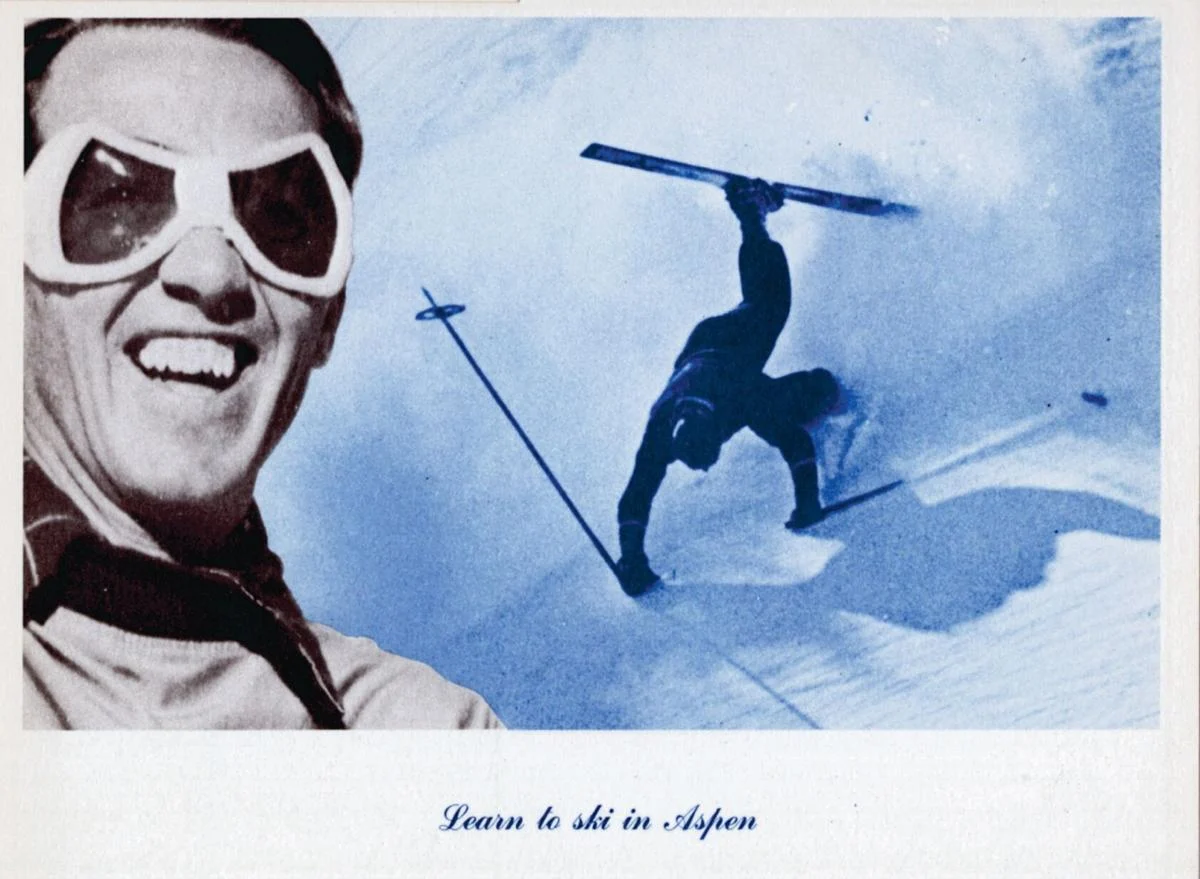
Eventually Paepcke and his investors would take control of Aspen Skiing Corporation, including the development of Aspen Mountain, and with a sharp departure from the plan Pfeifer had envisioned.
“I was puzzled that Paepcke would allow Aspen to fall short of its potential as a ski resort, but I later realized how naïve I was. He was a businessman who was interested in whatever it took to make a profit,” he wrote. By the end of Aspen’s first official ski season, Pfeifer saw the writing on the wall.
“When I lost my leverage, rather than get into endless slugging matches that I could only lose, I did what I presume the other directors hoped I would. I said I was going to devote my time to the ski school. I resigned from the board.”
After he resigned, Pfeifer was forced to sit back and watch everything he had feared happen on Aspen Mountain, from the chaos and congestion of the Little Nell T-Bar to an absentee Denver-based board of directors focused on bottom-line profit. While Aspen Mountain would eventually have its base-to-summit gondola and become one of the most renowned ski areas in the world, there were problems in those first few years — mechanical issues that would shut the lifts down for days, financial woes and low skier attendance.
Pfeifer’s vision was actualized in 1958 when he acquired the land to build his ski resort at Buttermilk without any corporate interference. With 2,000 feet of vertical, a mountaintop restaurant, ample beginner terrain and incredible views, it was the skiing experience he had always imagined. In 1963, Aspen Ski Corporation purchased Buttermilk, officially making it part of the four-mountain repertoire. “I retained ownership of the land under the lifts and received a percentage of the gross, which produced a handsome yearly income for the rest of my life,” Pfeifer wrote. “I had only reached my fifties. I found this affluent state of being hard to believe. I had to keep reminding myself that I earned it.”
“Why Aspen” was the name of Aspen’s first promotional film, produced for its debut ski season in 1947, an impressive 20-minute short that features Pfeifer and friends skiing powder in the backcountry around Aspen and showcasing the lifestyle and the beauty of the town. “We called the film ‘Why Aspen’ because so many people asked me why I had come to Aspen,” Pfeifer wrote.
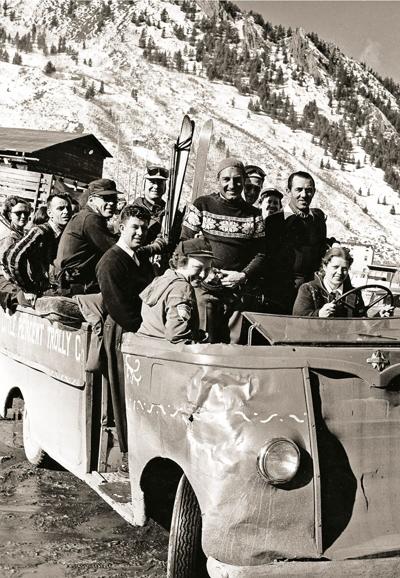
At least some of the answers can be found in Pfeifer’s story. He fell in love with Aspen at first sight, just like so many after him.
Aspen has retained many of the intangible qualities with which Pfeifer was enamored. And Buttermilk has managed to remain relatively undeveloped, low-key and family oriented, a place where people love to walk uphill as much as they love to ski down — a return to the simplicity and joy of the alpinism from which Pfeifer’s passion for skiing was born.
The book’s content suggests that Aspen’s true value can be gleaned from its past.
“When you go up in the mountains, you take them the way they are,” Pfeifer wrote. “There is no way to change them.”
Ali Margo is a local freelance writer and an Aspen Daily News columnist. She was an editor on the Friedl Pfeifer posthumous biography, “Why Aspen.” Email her at alisonmargo@gmail.com.