
ROARING FORK BROADCASTING COMPANY



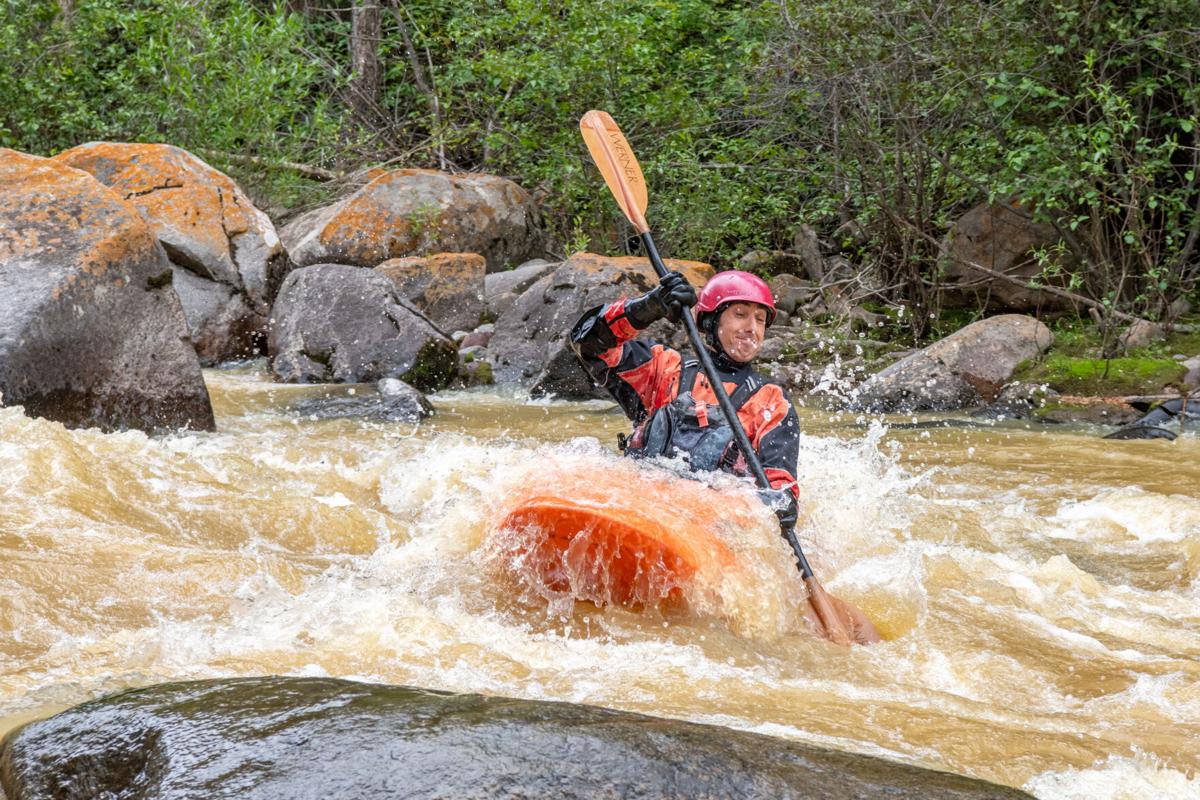
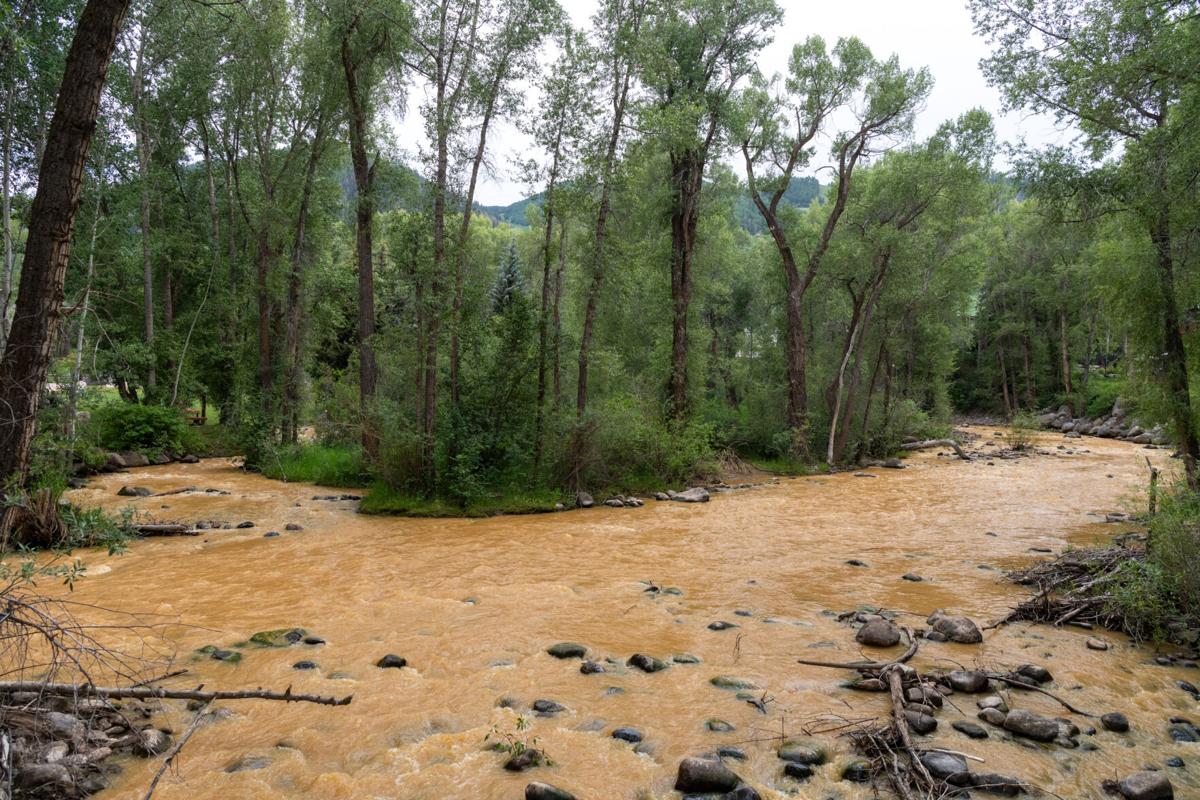
Ongoing construction at the Grizzly Reservoir turned the Roaring Fork River orange as it ran through Aspen on Tuesday.
The discoloration had remained in the upper valley as of Tuesday afternoon, with some cloudiness visible as far downstream as Woody Creek. The river appeared clear at Old Snowmass.
The city of Aspen said in a Facebook post that its municipal drinking water is safe to drink. Aspen takes its drinking water from Castle and Maroon creeks, not the Roaring Fork. The only drinking water intake located directly on the Roaring Fork is in Glenwood Springs.
Nonetheless, county officials have warned recreators to be cautious when playing in the river and avoid ingesting river water. The county also warned against allowing pets in the river. A county alert on Tuesday said the river could appear muddy and discolored over the next few days.
Sediment from Grizzly Reservoir likely contains high loads of copper, aluminum, iron and other minerals. The reservoir is located on Lincoln Creek, where the Environmental Protection Agency discovered high metals contamination in 2023 (the contamination was found to be naturally occurring). After leaving Grizzly, the creek flows into the Roaring Fork River roughly 10 miles upstream of Aspen.
Ordway, Colorado-based Twin Lakes Reservoir and Canal Company, which maintains and operates Grizzly, is installing a liner on the reservoir dam this summer. The company is draining the reservoir as part of the project, which has apparently allowed sediment from the bottom of the reservoir to flow downstream in Lincoln Creek.
Local officials and company personnel knew the reservoir drawdown could flush sediment into the river before Tuesday. Company personnel emailed local officials Monday afternoon warning that water leaving the reservoir had taken on a “brown tint.”
“The sediment traps below the dam are capturing some of the sediment, but some of it is so fine that it seems to be passing through the traps,” the email said.
Nonetheless, other stakeholders did not receive warning about the last phase of drainage.
Karin Teague, executive director of the Independence Pass Foundation and a member of the county’s Lincoln Creek workgroup, said she did not receive the email on Monday night. Laura Makar, a county attorney who handles water matters, and Lisa Tasker, who administrates the county’s Healthy Rivers program, also were unaware that the discoloration was related to reservoir work until after the county sent out its alert a little after 2 p.m. on Tuesday. Local residents alerted the Aspen Daily News about the discoloration around noon.
Chris Breitbach, the county's emergency manager, said the county and the Basalt-based Roaring Fork Conservancy were performing water sampling below Grizzly on Tuesday. He said the county gathered local partners and subject matter experts on Tuesday morning to ensure that they were approaching the issue properly and issued their alert after receiving multiple reports of river discoloration.
Twin Lakes Reservoir and Canal began draining the reservoir in late June, sending the drainage water through a tunnel under the continental divide. Toward the end of the process, the water level dropped below the tunnel’s intake, causing project managers to send the remaining reservoir contents down Lincoln Creek.
“It's the last bit of water coming out of the reservoir before they start the project,” said Breitbach. “I don't know that there was anything that could have been done other than the pre-warning.”
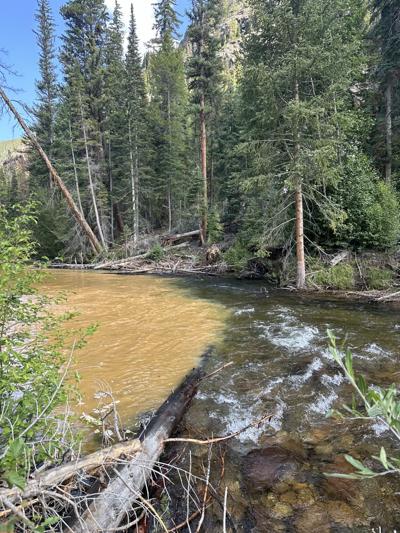
Operations at Grizzly also caused river discoloration in the Roaring Fork in 2015 when dam workers made an emergency water release to clear debris from the dam’s outlet. The release swept metals from the reservoir into Lincoln Creek and the Roaring Fork.
Alan Ward, the company’s board president, said during an information session in February that the company was “very embarrassed” by the 2015 event and was working to avoid a repeat. Ward said the company would drain the reservoir carefully and slowly this summer to avoid releasing too much sediment.
“We do not want that (2015 event) to happen again,” Ward said at the February event.
It is unclear whether the sediment load in the river on Tuesday was similar to the amount released during the 2015 incident.
The company is part of a workgroup established under the county to monitor and potentially mitigate ongoing contamination in Lincoln Creek. The company has communicated frequently with local partners and governments regarding the reservoir work this summer.
Sallie Bernard, a resident of the North Star neighborhood east of Aspen, said she noticed the discoloration midday on Tuesday while driving into town to run errands. Bernard, who hikes frequently near Lincoln Creek and has long watched the contamination there, said she was concerned about the effects of Tuesday’s event on wildlife.
“This is just bad for wildlife all over the place,” Bernard said. “I think about the beavers and the ducks and the geese, and paddleboarders are coming down on North Star.”
Fish kills have been a repeated occurrence on Lincoln Creek and in Grizzly Reservoir, where Colorado Parks and Wildlife has stocked the reservoir annually with trout. Officials have said Lincoln Creek contamination may be linked to a mass death of about 100 fish during a single week in the Roaring Fork River near the North Star Nature Preserve in August 2023.
U.S. Fish and Wildlife Service toxicologist Mike Carney said at the February event that dissolved copper is particularly dangerous for fish because it can build up in clumps on their gills, causing asthmatic stress.
Officials will know more about the potential effects on wildlife once test results are complete.