
ROARING FORK BROADCASTING COMPANY



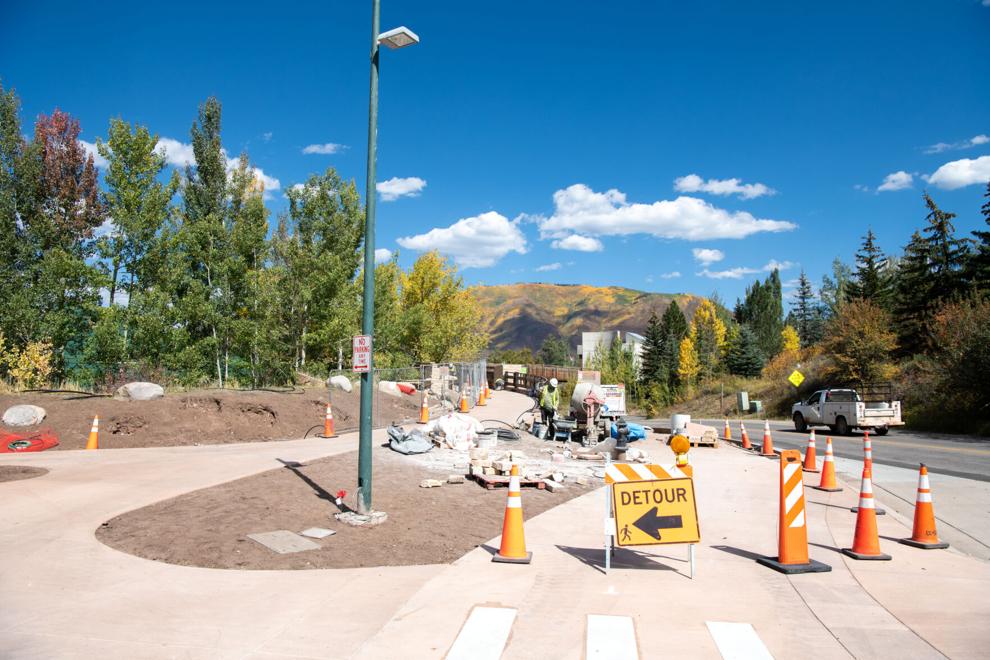
The Aspen City Council approved an additional $790,000 in emergency funds for the Maroon Creek Trail project to cover extra work needed to address unforeseen soil conditions on the trail.
Councilmen voted 4-1 to approve the change order during the Tuesday City Council meeting. Councilman Bill Guth voted against the request to spend additional funds because of what he felt was a late request in the project timeline and because he felt the council was not given an alternative if it voted against the request.
“I take my role as a fiduciary to the city of Aspen citizens seriously and this just feels irresponsible. I mean, I was uncomfortable with what this trail cost initially and this second change order is just putting it over the top,” Guth said. “The trail’s done more or less, it feels like maybe we’re in the last 10% of the race, so it feels like you’ve already exceeded your spending authority and what happens if we say no to you? That doesn’t feel right to me, I don’t think that’s appropriate, I don't think that’s the way things are meant to go.”
Construction on the Maroon Creek Trail began in April. The new, wider trail was meant to connect the Aspen Recreation Center to the Highway 82 roundabout with a paved surface that is maintained year round, meets Americans with Disabilities Act guidelines and reroutes the trail from the Aspen School District to maximize student safety.
The Aspen Parks and Open Space department requested the 13.5% budget increase to make up for necessary additional excavation of the site due to poor subsurface soil conditions.
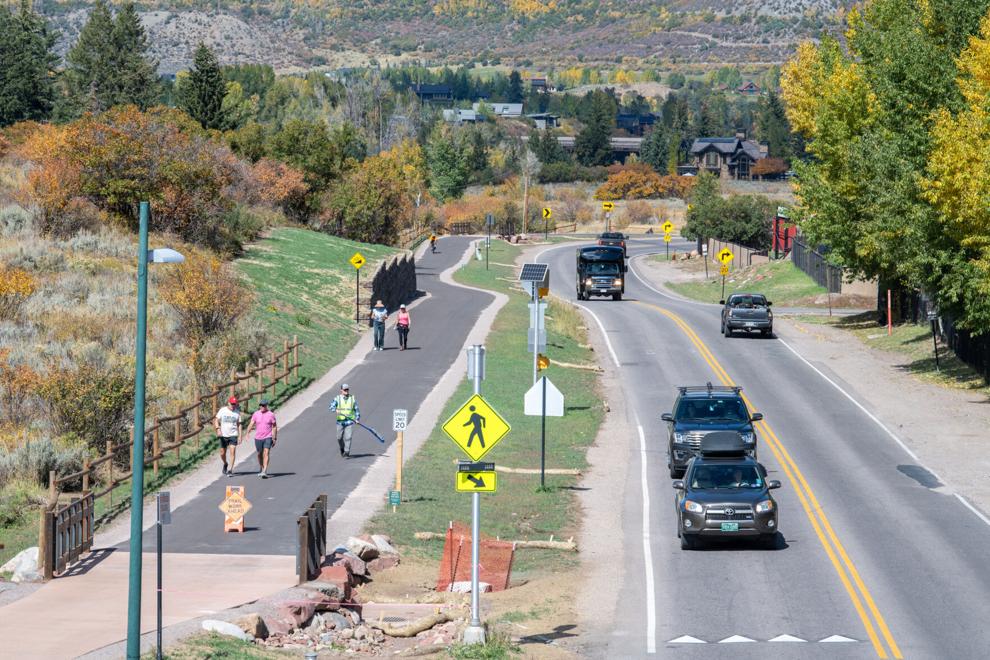
A 2023 geotechnical report indicated that six inches of topsoil were present along the trail corridor. But construction crews found early in the project construction that the soil levels were highly varied across the one-mile stretch of the trail, some pockets of which reached depths of seven feet. Building the trail on the unstable material could be done, but would result in significant degradation in the long run, Parks and Open Space Director Matt Kuhn told city council Tuesday.
“It goes without saying this is absolutely the last place we’d want to be right now at this stage in the project, coming back and asking for additional spending authority,” Kuhn said. “Generally in this department, we believe in doing things right the first time, and while this trail could have been built on unsuitable material, in the long run the trail will crack, degrade and become a costly and time-consuming effort.”
The total budget for the trail before the change order was $7.5 million. The city could end up saving $250,000 once the trail is complete and the budget books are finalized, Kuhn said, but he was not certain it would happen until the budget was finalized.
Councilman Ward Hauenstein was also disappointed about the change order request, especially since the city council previously approved a $320,000 change order for stormwater infrastructure.
“On the one hand, I’m so appreciative of the added security it gives to the school district of having the trail not go through the campus, and it’s a beautiful trail,” Hauenstein said. “But I’m hugely disappointed with how it just always seems to me as though nothing comes in as what is bid and that a project is not over until the contingencies have all been spent and change orders have been issued and approved. So I don’t know where we are on this if it’s work that’s been done, but I just have to register how disappointed I am in how this went down.”
Hauenstein still voted to approve the change order.
Kuhn said the project was an exception and it highlighted the potential inaccuracies of the geotechnical surveys it completed on the trail.
“What this highlights for us, and one of the big lessons learned, is geotech. When we’re constructing a mile-long trail, unless we’re surveying every 20 feet with four-inch samples, which are substantially expensive for us to perform, we are taking on a fair amount of risk,” Kuhn said. “I do think as we structure future contracts, we’re going to account for a larger portfolio of funds to handle that kind of unknown site conditions, and I think that’s a really important thing for us.
“Even with the best geotech, we’re going to miss boulders in this environment, there’s going to be pockets of deep soil, there’s going to be rocks that need to be removed, and I think we’re going to start to focus and put more effort on how much contingency we place for the subsurface conditions, which are a tremendous variable,” he added.
The approved resolution authorized the additional spending authority, executed the change order, and gave the city manager authority to approve future change orders until the completion of the project.
The project is about two-thirds of the way done, Kuhn said. He expects a joint dedication ceremony with partners including the Aspen School District and Pitkin County to be held on Oct. 29.