
ROARING FORK BROADCASTING COMPANY



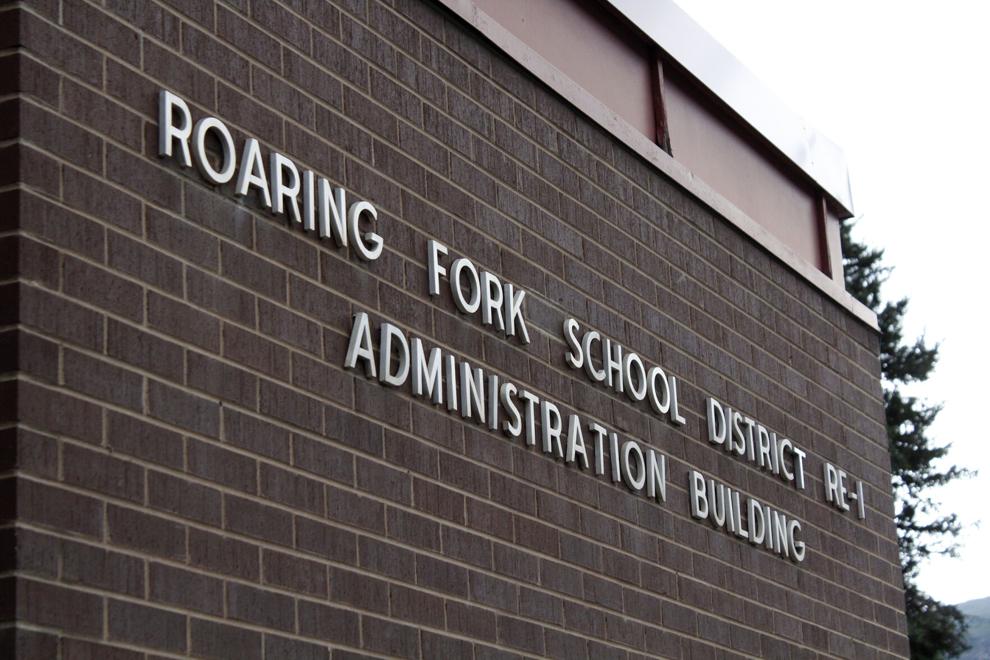
An under-projection of costs has the Roaring Fork School District scrambling for next steps to reduce losses from its employer-provided health insurance plan, which Superintendent Anna Cole said at Wednesday’s board of education meeting could exceed budget by $4 million to $6 million.
The next few weeks will involve extensive communications with staff, the public and consultants to decide if RFSD will need to revert to its previous health insurance provider while identifying the funding source to cover these extra costs.
“We projected ‘24-25 costs too early in the ‘23-24 school year and thus underestimated what the true cost would be,” Cole said in a phone call with the Aspen Daily News on Thursday.
She said she believed the figures were developed in May. But with budgets due to the state by July, Cole acknowledged that it may not be realistic to create those forecasts later, “but I can say I would definitely be taking a much more conservative approach when we do this again.”
Cole said the estimated cost of losses will exceed the district’s unallocated general funds, which she estimated to be in the range of $2.2 million. The district’s approved budget from the summer showed $22.86 million for employee benefits. An increase in costs by $6 million would be a jump of over 26%.
Behind employee salaries, employee benefits — going to roughly 800 full-time employees, 1,000 employees including part-time — are the second-highest line item in the district’s expenditures.
Due to increasing costs and lack of options through the district’s previous provider, a nonprofit trust called CEBT, RFSD formed a health insurance advisory committee to evaluate its health insurance options. CEBT’s plan was managed care, which carried the benefits of more predictable costs, as they were all built into premiums, with no added risk; but it was inflexible in plan options and premium price changes.
Through advice from the committee and broker Think Health, RFSD moved to a self-insured plan for the 2023-24 school year, with medical plans provided by Lucent Health. This gave the district more control over plan options and premiums, but included more risk if claims and usage were high — which is what happened in year two of the plan, the 2024-25 school year.
“In the first year of a plan, we would expect that costs would be somewhat low as people transition to a new plan, figure out their new providers, learn what’s covered,” Cole said. “It’s expected that in the second year, that the plan would mature, things would settle in, usage would increase, and that’s what happened. I think what’s important is that we did not budget with that understanding, we budgeted based on numbers that we were seeing during the first six months of the plan.”
Cole said the district had underestimated the district’s internal plan management needs and the true cost and future risks of the plan. She added that with executive-level turnover, the district was not fully prepared for the scope of an insurance plan change.
“In our leadership turnover, the folks that brought this plan forward and moved the district to get behind it … ended up leaving the district as we were working to finalize this and implement it,” Cole said. “I think we then had interim people filling those spots that in learning new roles just didn’t have a complete understanding of the risks and requirements of implementing this sort of a plan.”
At Wednesday’s meeting, she noted the district did not use general counsel to review “contracts related to our health insurance,” nor did they consult the district’s auditors, but “we are absolutely using them now and making sure that we’re taking the right steps.”
She noted that RFSD doesn’t have a contract with Think Health, and they’ve been seeking documents and better understanding of the agreement, as well.
“It’s somewhat of a loose agreement with the broker,” Cole said.
Now, it’s a mad sprint to figure out what the district needs to do both to recoup as much of the prospective losses as possible, while still providing adequate benefits for its staff once the calendar turns to 2025.
Initial conversations with the district’s Interest-Based Bargaining representatives showed an undermining in trust in the district’s operational systems and teams. Cole said that the way they intend to reestablish that is through transparency in the next steps.
“Every time the central office has errors or makes mistakes or misses something, even with the best intent, it’s going to shake that trust,” Cole said. “The team has completely turned over and we’ve lost a lot of institutional knowledge; we have a lot to regain. We have incredible people on the team who are bringing new perspectives and really important energy to the work, but we have to make sure that everything is moving forward appropriately and thoughtfully.”
Through the end of September and into October, Cole shared that the district is meeting with finance, leadership and legal teams to analyze and explore options — including where additional funding may need to be pulled from to cover costs. They’ll also share information and seek out feedback from staff and representative groups, all trying to determine if the district wants to stick with its current provider or pivot back to CEBT in January. The hope is this phase will conclude on Oct. 23 with a recommendation to the board of education.
The next step is determining how to cover costs through the rest of the school year. Cole said that either option will incur additional costs and exceed what the district has in unallocated general funds. The district will have to consider utilizing available funds and reserves, moving funds from different budget areas, increasing plan costs like copays or deductibles or pulling funds from district initiatives or projects, postponing or eliminating them.
Cole said her goal is that whatever option is decided, the district bears the additional costs, not the employees.
“I want to really underscore that we are committed to doing everything possible to ensure the district covers the increased cost for ‘24-25, not employees,” Cole said at this week’s meeting.