
ROARING FORK BROADCASTING COMPANY



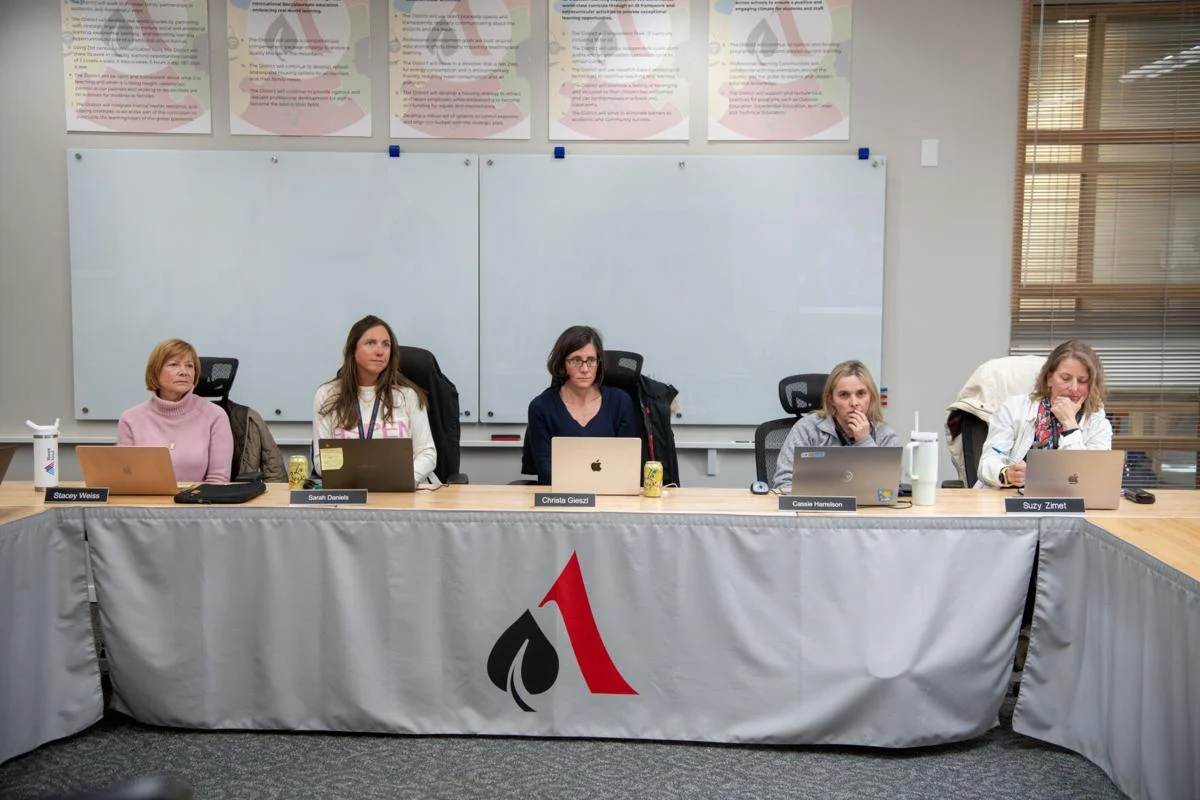
The Aspen School District could rebuild its depleted reserve balance to state-recommended levels by the 2027-2028 academic year using cost-cutting measures first implemented this year.
ASD Superintendent of Business Mary Rodino told the district board of education during a Wednesday meeting the district is expecting to increase the fund balance by at least $325,000 in the 2024-25 and 2025-26 academic years. Attrition cuts alone accounted for about $1 million in savings in the upcoming academic year.
The projected savings would build the district's reserve balance up from $2.4 million this year to $3.3-3.5 million (10% of the district's budget) in three years. The state recommends a minimum acceptable level for a district's reserved balance to be 10% of the district's budget. A healthier fund balance would be 20-30%, ($6-9 million), which could be achieved with revenues from the district's potential fall ballot questions, Rodino said.
"Certain ballot initiatives … could increase the revenues and the picture could really change mid-year," she said.
The district convened an expense-reduction task force in the fall to address how to rebuild the district's low reserve balance, which had decreased 75% from $8 million to $2 million since 2018. Increased curriculum expenses, disparities in federal COVID-19 aid distributed to ASD, raises to rightsize staff salaries who hadn't seen appropriate increases and high turnover in the district's top financial position allowed the reserves to be spent down so quickly.
The group's recommendations, including reducing staff through attrition and other small operational cuts, will help improve the district's financial picture in the coming years.
The district will also see an increase in total program funding of about $430,000 in the next academic year due to the state's increase in the per-pupil funding amount, Rodino said. A district's total program funding is the amount of money the state tells school districts they can collect each year to remain operational. The state also sets the per-pupil funding amount.
ASD's per-pupil funding — how much it spends per student — will increase to about $15,300 in the upcoming academic year, up from $14,800.
Early projections from the state showed the district might only see a $150,000 increase from the change in per-pupil funding, Rodino said.
The money will go toward a new Aspen Elementary School principal's salary, a new school safety position's salary, administration and non-union represented staff raises, and health insurance increases.
"($430,000) sounds like a number you can do some things with, but on a $32 million or so budget, it doesn't go very far," she said. "It's going to go quickly … so we will be looking to still kind of be conscientious in how we spend, definitely reviewing positions as any might become open just to kind of make sure we're still being diligent about that."
But the result of four potential ballot questions could further increase the district's revenues.
The district will begin polling community members about the four revenue streams next week. Respondents will be asked about a bond to fund district capital projects, a mill levy override, the Aspen Public Education Fund sales tax and the Snowmass Village Public Education Fund property tax.
"We achieved, kind of, these budget goals through the attrition and cost-cutting committee," said ASD Controller Max Marolt. "But I don't think that means we need to take our foot off the gas with these ballot issues; I think that's the long-term solution."
During the Wednesday meeting, the board appeared to support asking voters to increase the Aspen sales tax and Snowmass property tax in November. Board members will likely vote during a special meeting in the summer on the exact amounts they will ask of voters.
The decision comes a year after the board decided against putting a bond question on the November ballot, citing an already-crowded ballot and uncertainty of where the district stood financially.
"I feel like going to the voters this year, as opposed to last year when things were less clear and we had less information, I feel really confident that we can say we're in a different financial position, we know where our money's going, we know where it's coming from and this is why we need help with some of these outside sources," said ASD board president Christa Gieszl.